Choosing the Ship for Two
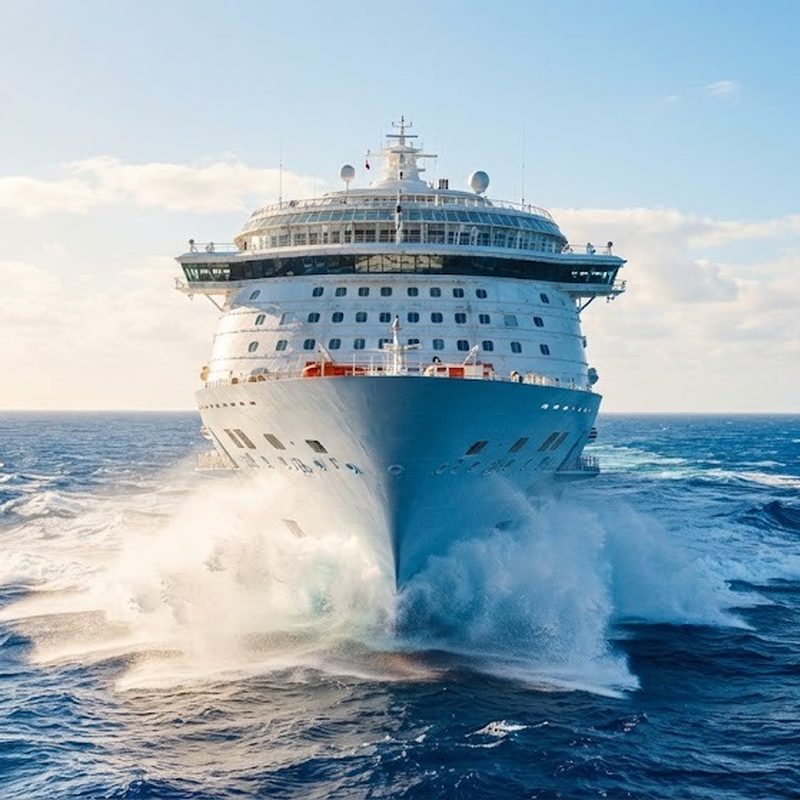
Couples lose the holiday on the ship choice more often than on the itinerary. A vessel built around families gives you a loud pool deck and a dining room with a table for eight, while a smaller ship trades the water park for quieter bars and a shorter walk everywhere. I start with the evening you want: do you want a show and a late bar, or a long dinner and a cabin by midnight? The answer picks the ship, and the route follows. Adults-only sailings exist on most lines and are worth the premium if sleep matters more than the activity list. Check the age split in the deck plan and the number of dining seatings before you pay, because those two numbers set the tone of every night you are on board.
Cabin Placement Away From the Noise
A cabin under the nightclub or above the engine room will undo every good decision you made earlier. I ask for mid-ship, away from the elevators, and at least two decks below the main entertainment venue. Balconies earn their cost on sea days and on nights in port when the ship stays late, otherwise they are a place to store luggage. If the budget is tight, a large interior beats a small balcony for comfort, and the money saved pays for two dinners ashore. Confirm the side of the ship too: on an eastern route the starboard side catches the morning sun, which is pleasant for coffee and unhelpful if you both sleep badly.
Dining Without the Long Table
Sharing a table with strangers is the most common complaint I hear from couples. Request a table for two when you book, and if the line cannot guarantee it, choose early or late seating and ask again at embarkation. The speciality restaurants are worth it once, on the night you want to stay as long as you like. For the rest, the buffet at a quiet hour and room service on the balcony cover the nights when nobody wants to dress. Avoid the first and last night for the expensive table: the first is chaos and the last is a menu you have already read twice.
One Shore Day Worth Upgrading
One excursion per sailing deserves the upgrade, and it should be the one that needs a boat, a guide or a permit. Snorkelling a protected reef, a private vineyard lunch or a guided walk through a walled old town all fall into that category. Everything else can be self-guided. Book the upgraded day early, then leave the other port afternoons open so you can follow the weather. If the ship docks at a tender port, take the first boat out; the queues at mid-morning are the fastest way to lose the morning you paid for.
Anniversary Logistics
Tell the line when you book rather than at check-in. Cake, a cabin note and a photo are usually free, while the spa treatment and the photographer are not. Put the date in the calendar against the sailing so the celebration lands on a night in port rather than during a sea day full of activities. If the date falls outside the trip, move the celebration to the first night, when the cabins are quiet and the staff have time to do it properly.
What I Would Skip
Skip the packaged photo session, the second formal night outfit and the excursion that spends four hours on a coach. Also skip the drink package if your average is low; two glasses with dinner cost less than the daily rate. What is left is the part that actually works: a quiet cabin, a table for two and one day ashore you both remember. Choose the ship for the evening you want, then book that one shore day, and let the rest of the week stay unplanned.
Sea Days Versus Port Days
Couples who plan only around the ports waste the two best days of the sailing. Sea days are when the ship empties out, because most passengers go ashore, and that is when the pool deck, the thermal spa and the quiet corners of the library are actually available. I treat them as the main event: a long breakfast, a deck chair before eleven, lunch that is not rushed, and an afternoon with no plan at all. Port days run the other way round, with an early start and a fixed return, so we save the slower moments for dinner. Mixing the two keeps the week from feeling like a schedule, and it is also the cheapest upgrade on the ship, since nothing extra has to be bought. On the last sea day, book the second specialty dinner if the first one was good, and let the final port be a short walk rather than a tour.
The last rule I keep is about pace. Two things booked per day is the ceiling for a couple, and one of them should be the meal. Everything else on a cruise is available again tomorrow, while the evening you spend doing nothing on the balcony with the ship moving under you is the one you will describe when you get home. Keep the two-bookings ceiling and the week stays light, which is the entire point of booking a floating hotel in the first place.
Keep that habit past the holiday, because the cruise is only a concentrated version of the thing you already do together: decide on one anchor, leave the rest open, and the week writes itself.