What This List Is Based On
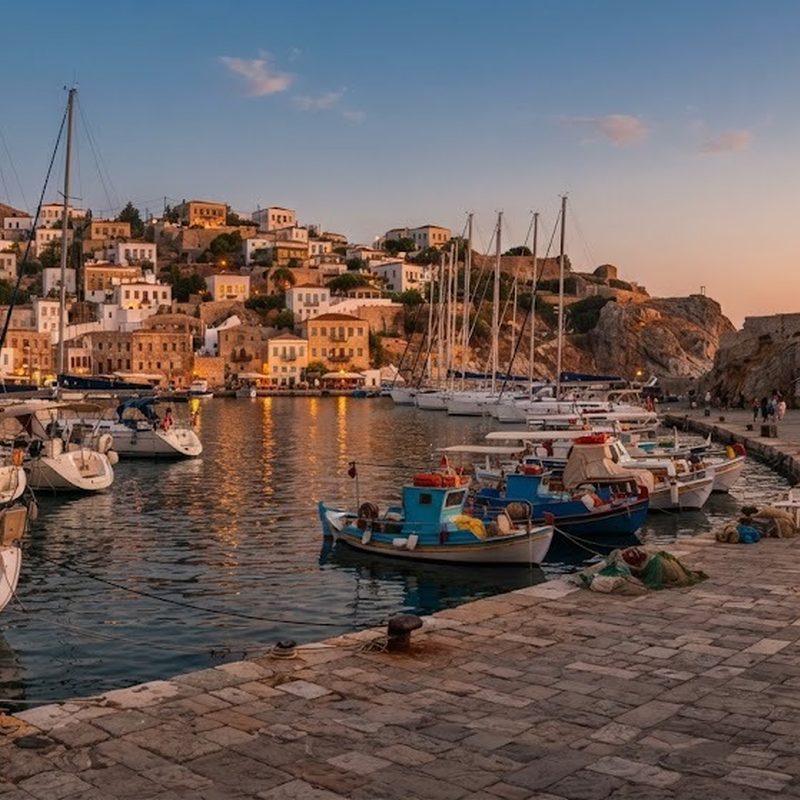
These notes come from sailings built around festivals, food and family history rather than around beaches. The order below follows the way I actually plan one: decide the reason for the trip first, then let the route, the cabin and the budget follow from it. Nine points, each one short.
1. Pick the reason before the route
A heritage trip works when one theme drives it: a festival, a genealogy search, a culinary scene or a music history. Choose that first. A route chosen for its ports will not deliver a theme, and a themed sailing with three unrelated stops scatters the effort across the week.
2. Time it against the calendar
Festivals move, and cruise schedules are published a year out. Check the local dates before you commit, then allow a buffer of a day on each side, because the ship arrives when it arrives and the parade happens when the town decides.
3. Research each port in its own words
Read a local paper, a neighbourhood guide and a museum listing for every stop. Two hours of that beats a coach tour description, and it usually turns up one thing worth the trip that the excursion sheet will never mention.
4. Book the small-group experiences early
Walking tours, kitchen sessions and archive visits cap at six to twelve people and go first. Reserve them as soon as the itinerary is confirmed, then confirm again a fortnight before sailing. Anything with a fixed capacity will not appear as a late option.
5. Keep the first hour ashore unbooked
Give yourself sixty minutes after the gangway to reach the district on foot. The first hour tells you what the place smells and sounds like, and it stops the day starting with a rushed transfer you paid for out of habit.
6. Eat where the queue is local
Skip the restaurants on the dock. Walk two streets inland and look for the place with a short menu and a full room. If there is a market, go at opening time, eat once, then buy fruit for later in the day.
7. Photograph the paperwork, not just the view
If the trip involves records, addresses or family names, keep images of every document and a note of the archive hours. Wi-Fi drops, and the one afternoon the reading room is open may be the only one you get.
8. Budget for the entry fees
Museums, guided access and transport inside historic districts cost real money and are rarely included. Put a fixed cash amount per port in the plan before you sail, so the day does not get trimmed when the total arrives.
9. Leave one port completely open
The stop you research least often turns out to be the best one. Keep a single day with nothing booked and a short list of two options.
10. Match the port to the theme on paper
Write one line per stop saying what you will do there and why it belongs to the trip. Any stop without a line is a stop that will end up as a generic walk, and it is better to know that before you sail than to discover it at the gangway.
11. Check opening days, not opening hours
Archives, small museums and neighbourhood galleries close on a weekday rather than a weekend in many places. Confirm the day first, then the hours, then build the port around it. The hours are almost never the problem.
12. Learn ten words of the language
Greetings, numbers and the word for the check get you further than any phrasebook paragraph. It also changes how a market seller or a guide responds to you, which matters more on a themed trip than on a beach week.
13. Write the notes the same evening
Names, addresses and what you actually saw blur within a day, and the ship wifi will not save you. Ten minutes in the cabin with the deck plan open turns a good afternoon into something you can use later, whether that is a family record, a recipe or the next trip.
14. Budget one unexpected discovery
Set aside a small cash amount for the thing you did not plan: a side street choir, a family kitchen that opens for lunch, a record shop that stocks only one island. On a themed trip those moments are the ones worth describing afterwards, and they never appear on an excursion sheet. Keep the money in a separate pocket from the entry fees so the planned stops cannot quietly eat it.
15. Talk to the people who live there
The best hour on a themed sailing usually comes from a conversation, not a ticket. Ask a market trader which day the stalls are full, ask a driver when the neighbourhood is quiet, ask the museum guard what the next room is for. Ten minutes of ordinary questions returns more than an hour of reading, and it costs nothing beyond the willingness to look slightly lost and say so. Do it in the first port rather than the last, because by then you already know what the week felt like and the questions are easier to ask.
The two tips that matter most are timing the trip against the calendar and keeping that open day, because everything else on this list can be rearranged at the dock.