Start With the Ship, Not the Destination
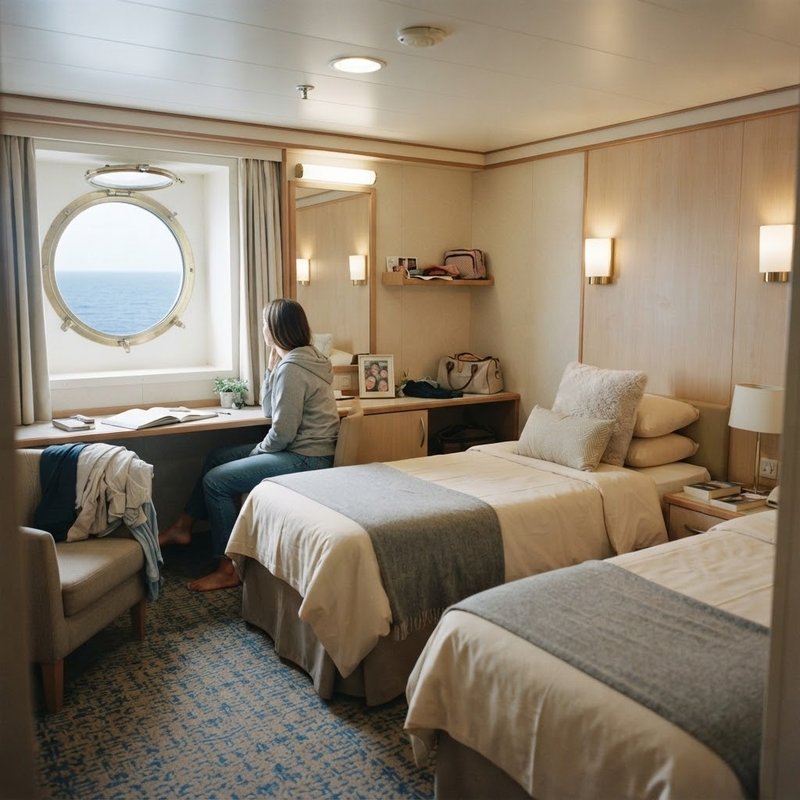
Most families pick the destination first and then discover the ship has nothing for a seven-year-old after nine in the evening. I work the other way round. I list the ages in the cabin, the rough budget per person, and the number of days I can realistically take off work. Only then do I match a ship to that list. A short sailing from a home port usually beats a far-flung itinerary when young children are involved, because the travel day to the embarkation city counts against you twice: once going and once coming home. I also check the deck plan for the kids club location before I pay. A cabin three decks from the club saves a walk at pickup, and that small detail decides how tired the adults are by dinner on day four.
Cabin Choice: Where Everyone Actually Sleeps
Inside cabins cost less per night, but a family of four does better in a cabin with a real separation between the sleeping areas. A balcony looks generous in the photographs and then becomes a place to dry towels, so I weigh it against a larger interior with a sofa bed. Request a cabin on a lower, mid-ship deck: the motion is gentler, the lift queue is shorter, and the walk to the buffet is shorter too. If grandparents are coming, connecting doors matter more than square metres. I ask for them at booking, not at check-in, because the line will not move a paid cabin later without a fee. Confirm the bed configuration in writing, since two twins that convert to a double is a promise the booking screen does not always keep.
Booking Order and What to Pay First
Deposits open twelve to eighteen months out on most ships, and the fare moves after that. My order is simple: cabin first, then the excursions that only run once a day, then dining upgrades, then insurance. Anything you can cancel late, you book late. Shore days in small ports sell out weeks before sailing, so I hold those even when the itinerary might change. I pay the deposit while the fare is refundable and put the balance date in the calendar with a reminder a week before it lands. Onboard credit is worth less than a straight discount on the fare, so I take the lower price when the choice is offered. Group rates usually appear once a second cabin is added, which is worth asking about before you pay in full.
Port Days That Work for Kids
A port day has a hard edge: the ship leaves without you. I build the day around the all-aboard time printed in the daily programme, not around the tour schedule. With children I allow a thirty-minute buffer on top of whatever the excursion claims, and I never book the last boat back from a beach. Beach breaks, snorkelling and a short food walk hold attention better than a two-hour coach ride past viewpoints. If the ship docks at a tender port, queues are longest in the first hour and the last hour, so I go ashore early or stay aboard and take the pool while it is quiet. Download the port map the night before, because mobile signal on the quay is unreliable and everybody needs the same meeting point.
Food, Timing and the Two-Hour Rule
The buffet is at its worst in the first thirty minutes after it opens and best about an hour later, so I aim for the second wave. I also run the two-hour rule: nothing happens in the two hours before we need to be somewhere. No tickets bought, no shops entered, no rides started. It keeps the day from collapsing into a sprint back to the gangway. Children eat better when they choose from a fixed set, so I let them pick two options at each meal and leave the rest alone. The main dining room is free and the service is slower, which suits families. Speciality restaurants charge per head and are worth it exactly once, on the night nobody wants to hurry.
What I Pack and What I Leave Home
Two pairs of shoes, a light layer for the air-conditioned theatre, reef-safe sunscreen and a refillable bottle cover most of the week. I add a small first-aid kit with any medication the ship cannot sell, because a pharmacy stop in port costs an hour you did not budget for. What I leave behind: formal outfits for every night, the assumption that laundry will come back quickly, and large banknotes that local vendors cannot break. Print the embarkation documents and keep a paper note of the cabin number. Phones die at the worst moment, and the check-in desk queue is not where you want to be finding that out.
If you do one thing before the fare climbs, book the cabin and the two shore days you actually care about. Everything else on this list can be sorted in the month before sailing, and none of it can be fixed once the small-port excursions are gone.
The Daily Rhythm I Actually Follow
Wake, breakfast, deck, and one planned thing before lunch is the shape that holds up past day three. I write the single planned item on the cabin card each evening so nobody has to negotiate it in the morning. After lunch we swim while the buffet queue is long, and I take the quieter hour to check the all-aboard time for the next port. Late afternoon is for the show or the arcade, whichever is finishing earlier, and we aim to be back in the cabin before the second dinner seating fills the lifts. Nothing is booked twice in one day, and if a child wants to repeat the same activity four afternoons in a row, we let it, because repetition is what makes a week feel settled rather than rushed.