What the Base Fare Includes
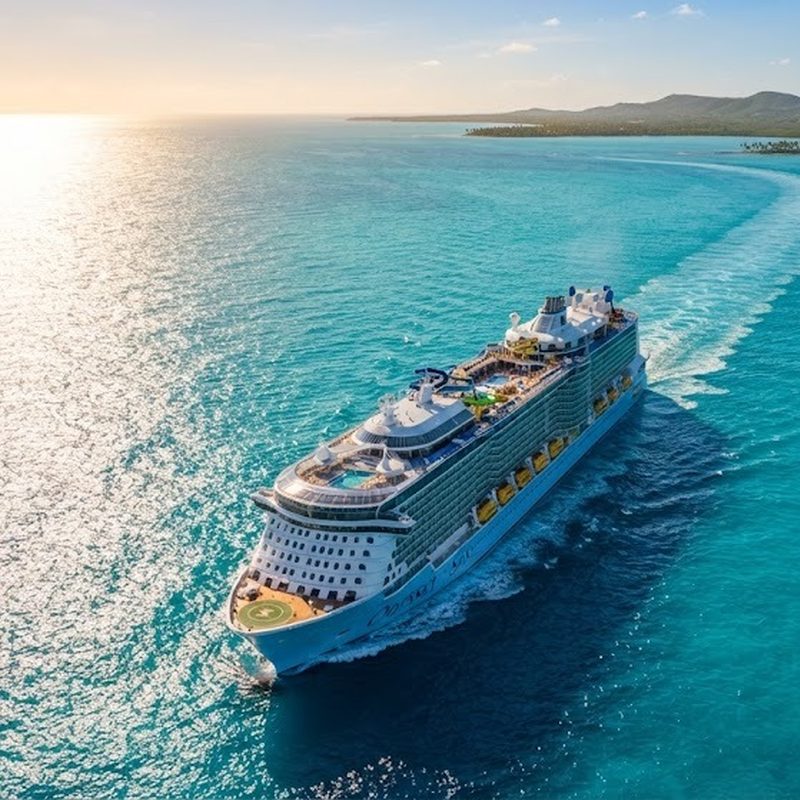
Every cruise fare covers the cabin, the main dining room, the buffet, the pool, the theatre and the port charges. That is the core, and it is the same on a cheap sailing and an expensive one. What changes between lines is everything else: the drinks, the gratuities, the speciality restaurants and the internet. A fare that looks low against another line is usually carrying those costs separately, and the comparison only becomes fair when you add them back.
The Five Costs Outside the Fare
In practice I see five of them. Gratuities are charged per person per day and are hard to remove. Drinks sit outside the base price unless the line is genuinely inclusive. Speciality dining charges per cover. transfers to and from the airport are yours to arrange. And the excursion budget is separate from everything. Add those five before you compare two holidays, because the gap between a headline price and the amount that leaves your account is where the decision actually lives.
Drinks Packages: The Actual Math
A package prices per person per day and usually applies to everyone in the cabin who is of drinking age. Work out your real average first: a coffee at breakfast, a glass with lunch and two drinks at dinner already reaches the typical daily rate. Below that line you are paying in advance for drinks you will not order. Also check the ceiling on individual drink prices, the rule on sharing, and whether speciality coffees count. If your average sits under the package price, order as you go and keep the difference.
When Inclusive Wins
Inclusive fares earn their money on longer sailings, on ships where the drinks list is expensive, and on itineraries with a lot of sea days. If you are aboard for ten nights with two adults who both drink at dinner, the package usually pays for itself by day six. It also wins when the fare includes airport transfers and a gratuity allowance, because those are costs you would have carried anyway. Read the inclusions line by line rather than the marketing headline; the difference between a drinks package and a fully inclusive fare is often one sentence in the terms.
When It Costs More
Short sailings with long port days rarely justify it, since you are off the ship for most of the hours you would be drinking. Families with young children spend more on the package than on pay-as-you-go, because the adults are asleep or ashore. The same applies if you are travelling with people who only have wine with one meal. In those cases an inclusive fare is a prepayment, not a saving, and prepayments are the ones people forget they made.
Onboard Credit, Upgrade Offers and Wave Season
Wave season runs through the early months of the year, and that is when lines push extras rather than lower fares: cabin upgrades, a bar package included, or onboard credit instead of a discount. Credit sounds flexible and is the weakest of the three, because it only spends on board and it expires with the sailing. An upgrade to a higher category is worth taking when it moves you away from a noisy deck, and worthless when it moves you closer to the pool bar. I compare all three against a straight fare reduction and take the reduction first, since money not spent cannot be wasted later.
What I Ask Before Paying
Four questions settle the rest. Is the gratuity included or added daily. Is the drinks package capped per drink and does it cover speciality coffee. Are transfers to the airport part of the fare or a separate line. And what is the cancellation window after the final payment date. Written answers to those four, kept with the booking confirmation, have saved me more money than any discount code, because the surprises on a cruise bill are never large individually, they are simply never mentioned until they arrive.
Fare Types and the Refundable Window
Most lines sell the same cabin at three price points: a restricted fare that cannot be moved, a standard fare that can be changed for a fee, and a fully refundable fare that returns the money minus a small deposit. The restricted fare is the right choice when the dates are fixed anyway and the deposit is small. The refundable fare earns its cost the moment school term dates or work shifts might move, because the price of changing a locked fare usually exceeds the difference between the two. I read the window rather than the label, and I check what happens to the money if the sailing itself is cancelled, since that answer differs between lines.
Cabins, Upgrades and the Timing of the Purchase
Fares move in predictable waves, and the cabin you want is not always the cabin that is discounted. Inside cabins drop when a sailing fills slowly, while balcony cabins on a popular route rarely fall at all. If your dates are fixed, book early and take the drop if it comes; if your dates are flexible, watch the same cabin for a fortnight and note the pattern rather than guessing. Upgrades offered at the pier are usually priced against the mood of the moment, which is a bad moment to decide anything.
How I Compare Two Quotes Properly
I take both quotes and build the same four lines for each: fare per person, gratuities, drinks and dining for the actual nights, plus transfers. Then I divide by the number of nights. The lower figure wins, and it is almost never the one on the banner. I also check the currency and the deposit terms, because a fare in a stronger currency can quietly add a few percent before you have chosen anything. The single most useful step is that four-line sheet: it takes ten minutes and it ends the argument before it starts.